

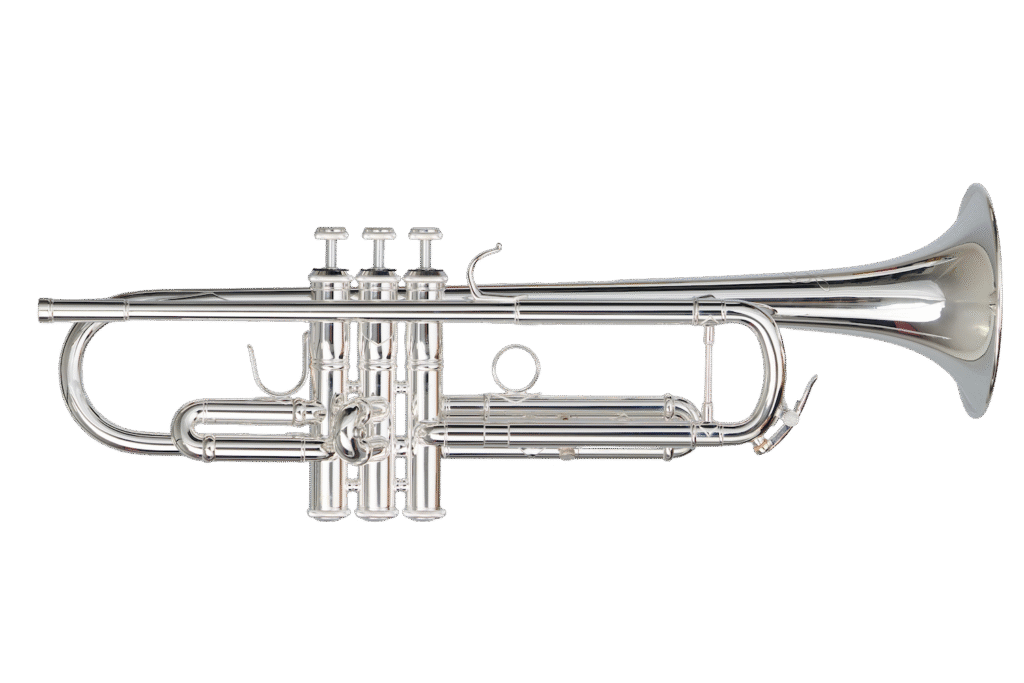
Breathing and Air Support Techniques for Brass Players
Playing a brass instrument requires mastery of breathing and air support. Proper techniques and effective air support are crucial for producing a rich, resonant sound, maintaining control, and achieving endurance. I. Understanding the Mechanics of Breathing in Brass Playing The diaphragm, a dome-shaped muscle located below the lungs, plays a crucial role in breath control for brass players. When inhaling, the diaphragm descends and creates a vacuum, pulling air into the lungs. When exhaling, the diaphragm retracts, pushing air out, much like a slingshot. Strengthening the diaphragm through exercises such as diaphragmatic breathing and breath control drills allows brass players to have better control over their breath support, resulting in improved sound production and endurance. Brass players engage various inhalation techniques to maximize air usage. Abdominal breathing involves expanding the abdomen while inhaling, allowing for a deep intake of air. Costal breathing focuses on expanding the ribcage laterally to increase lung capacity. However, diaphragm breathing is the most beneficial and natural way to breathe when playing a wind instrument. Controlled exhalation techniques, such as maintaining a steady stream of air, help brass players maintain consistent airflow and control over their sound. To facilitate efficient breathing, brass players must maintain a relaxed and balanced body posture. Tension in the body can restrict airflow and hinder breath control. Proper alignment of the spine, shoulders, and neck allows for optimal expansion of the lungs and diaphragm. By consciously maintaining a relaxed body posture, brass players can ensure that their breath support is not impeded, resulting in improved sound production and overall playing performance. II. The Relationship Between Breathing and Sound Production Breath control is vital for achieving a rich and resonant tone on a brass instrument. Proper breath support allows brass players to control the speed and pressure of the airflow, resulting in a focused and vibrant sound. By maintaining consistent breath support throughout their playing, brass players can achieve a more expressive and dynamic range of tones. Strong breath support is essential for projecting sound and creating volume. By engaging the diaphragm and maintaining a consistent flow of air, brass players can produce a more powerful and resonant sound that carries across large performance spaces. Controlled breathing techniques contribute to achieving a balanced and focused sound on a brass instrument. Brass players can refine their breath control by practicing exercises that involve maintaining a steady stream of air, controlling the speed and pressure of the airflow, and adjusting the embouchure to achieve optimal sound production. Through consistent practice and attention to breath control, brass players can develop a more refined and controlled sound across different registers. III. Developing Endurance through Proper Breathing and Air Support Efficient breathing techniques are essential for developing endurance in brass playing. By utilizing proper breath control and support, brass players can optimize their oxygen intake and reduce fatigue during prolonged playing sessions. Consistent practice of breathing exercises, along with gradual increases in playing time, can help build the respiratory muscles and improve overall playing stamina. To enhance endurance, brass players can engage in exercises that target the respiratory muscles. These exercises may include sustained long tones, lip slurs, and interval exercises. By gradually increasing the demand on the respiratory system, brass players can strengthen their diaphragm and intercostal muscles, ultimately increasing their breath capacity and ability to sustain playing for longer periods. Managing breath control during challenging passages and extended musical phrases is crucial for maintaining consistency and control. Brass players can develop strategies such as pacing breaths strategically, planning for efficient breaths during rests, and utilizing controlled exhalation techniques to maintain a steady airflow. By practicing these strategies and incorporating them into their musical interpretation, brass players can navigate challenging passages and musical phrases with greater ease and control. IV. Enhancing Articulation and Phrasing through Breath Control Breath control plays a significant role in achieving precise and clean articulation on a brass instrument. By coordinating tongue movement with breath support, brass players can achieve clear attacks and releases. Controlling the release of air during articulation allows for crisp and accurate note production, resulting in a more articulate and expressive performance. Breath control is essential for shaping musical phrases and creating expressive performances on a brass instrument. By utilizing breath accents and releases, brass players can emphasize certain notes or phrases, adding depth and emotion to their playing. Coordinating the tongue and breath allows for seamless phrasing and the ability to shape musical lines with nuance and intention. Brass players can improve their articulation and phrasing through targeted exercises that focus on coordinating tongue movement with breath support. These exercises may include tonguing exercises that emphasize precise attacks and releases, as well as phrasing exercises that highlight the use of breath control to shape musical lines. By incorporating these exercises into their practice routines, brass players can refine their articulation and enhance their overall musical expression. V. The Impact of Breathing and Air Support on Range Development Proper breath control is crucial for expanding the playing range on a brass instrument. By utilizing efficient breath support and managing breath pressure and speed, brass players can access higher notes with greater ease and accuracy. Consistent airflow and control over the embouchure muscles contribute to stability and control in the upper register. Brass players can develop their range by incorporating exercises that emphasize proper breathing techniques. Lip slurs and flexibility exercises that focus on breath control can help strengthen the embouchure muscles and improve range. By gradually expanding the range through controlled breathing exercises, brass players can achieve greater flexibility and accuracy in their playing. Maintaining control and stability in the upper register requires effective air support. Brass players can employ strategies such as managing breath pressure and speed to achieve stability and accuracy in high notes. By practicing exercises that specifically target the upper register, brass players can develop the necessary control and support to navigate challenging passages with confidence and control. VI. The Benefits of Proper Breathing and Air Support for Musicians Improved tone quality and