

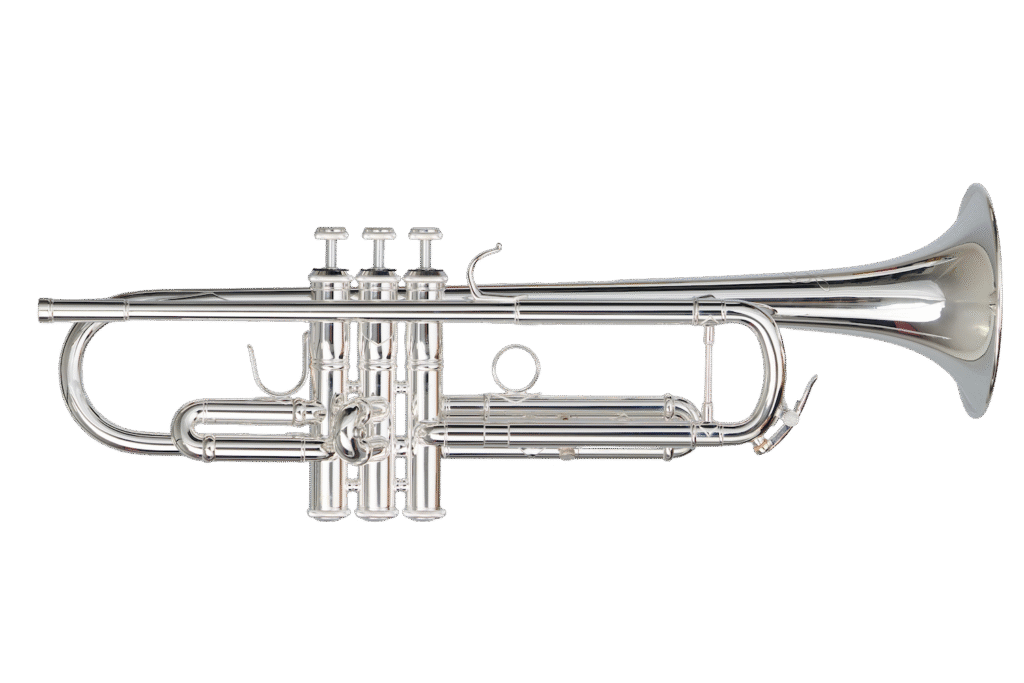
Brass Instrument Cleaning and Maintenance Guide
Brass instruments, such as trumpets, trombones, French horns, and tubas, are beautiful instruments that require attention and care to ensure they continue to produce their wonderful sounds. Regular maintenance and cleaning are essential to preserve the quality and extend the lifespan of these instruments. This guide will provide detailed instructions on how to clean and maintain your brass instrument on a daily, weekly, and yearly basis, ensuring it stays in like-new condition for years to come. Daily Maintenance: After each practice or performance, take a few minutes to perform basic daily maintenance tasks: 1. Remove moisture from the slides by shaking and blowing out any residual moisture. Alternatively, you can use a clarinet swab to clean the slides thoroughly. Additionally, gently use a mouthpiece brush to remove any debris from the mouthpiece. Afterward, wipe the mouthpiece with disinfectant spray to keep it clean and ready for use. 2. Use a soft white cotton t-shirt or lint-free cloth to clean the outside of the instrument. This will remove dirt, dust, fingerprints, and watermarks that have accumulated during rehearsals or performances. Be careful not to rub too harshly to avoid scratching or marking the instrument. 3. Proper valve, slide, and rotor maintenance is crucial for optimal instrument performance. Before each practice session, apply a few drops of valve oil to each valve. Remove each valve completely during this process to allow the new oil to clean the existing debris and create a clean surface for everyday playing. For trombones, wipe the inner slide tube to remove any dirt or debris, and reapply a small amount of slide oil. French horns and rotary tubas require unscrewing the top cap from the rotor body and placing a few drops of rotor oil on the raised spindle. Ensure that the caps are screwed back on securely but not too tightly. After oiling the valves and slides, play a few notes to circulate the oil throughout the instrument and blow out any excess oil through the water key. Neglecting this step can result in poor intonation and slow responsiveness due to oil build-up in the tuning slide. Bi-Weekly Maintenance: In addition to daily maintenance, set aside time every week for more thorough cleaning and maintenance: 1. Remove each slide from the instrument and wipe them off with a soft clean cloth. After removing all oils and grease, reapply fresh oil and grease to all slides. Slides that mainly stay stationary are referred to as slow slides and require grease, while slides that are used for tuning and are moved by hand are referred to as fast slides and require oil. 2. For French horns and rotary tubas, consider using linkage oil to lubricate all other moving parts outside of the valve body. This will ensure that your instrument is working properly both inside and out. 3. Repeat step 2 of daily maintenance, but pay more attention to cleaning the outside of the instrument. Polishing the instrument is not necessary and can be done every four months. However, it is important to diligently remove water spots, stains, finger prints, and sweat from your hands to prevent the lacquer or silver from wearing down or completely off. Areas where raw brass begins to show are no longer protected and the deterioration of the instrument will occur at a faster pace in that specific area/s. 4. Clean the mouthpiece each week by soaking it in warm, soapy water for 10-15 minutes. Use a mouthpiece brush to gently clean the inside of the mouthpiece, paying attention to the inner shank and throat area where deposits tend to accumulate. Rinse the mouthpiece thoroughly in warm water to remove any soap or oil residues and dry it with a clean, soft cloth. Four-Month Maintenance: It is essential to give your brass instrument an intense deep cleaning every four months to remove accumulated grime and germs. Follow these steps for effective four-month maintenance: 1. Prepare a bathtub or large container filled with lukewarm water and add a small amount of liquid dish detergent. Mix the solution gently. Liquid dish detergent is safe for cleaning brass and effective against germs, grime, and oil build-up. 2. Before disassembling your instrument, seek guidance from your private lesson teacher or music director for handling this delicate process with care. Disassembly can vary depending on the instrument, and instruments with rotors, such as French horns and rotary tubas, can be more challenging. Disassemble the instrument completely, removing all valve caps, slides, valves, rotors, mouthpiece, and other detachable parts. Place these parts in the container, making sure they are fully submerged in the soapy solution. Let them soak for 30 minutes to allow the soap to penetrate and loosen stubborn grime and residue. 3. After soaking, use an instrumental cleaning snake for the specific instrument’s slides and a soft valve body brush to clean the tubing, slides, and valve ports thoroughly. Pay attention to hard-to-reach areas where grime tends to accumulate, such as leadpipes and tuning slides. Apply gentle pressure to avoid damaging delicate slides and causing internal friction from scratching. 4. Rinse each part thoroughly with lukewarm water to remove any remaining residue left inside or outside the instrument. This step is crucial to ensure no traces of detergent or cleaner are left behind. Test each part by rubbing your finger on the metal; if it makes a squeaky sound, it is clean and can be safely reattached to the instrument once completely dry. 5. Dry all cleaned parts with a soft, absorbent towel or cloth. Avoid carrying loose parts over hard surfaces to prevent accidental damage. Ensure that each part is completely dry inside and out, paying special attention to valve casings and slides. Any remaining moisture can lead to corrosion and damage, even over a short period. 6. Reassemble the instrument, applying a small amount of valve oil, rotor oil, and linkage oil as needed to ensure smooth slide, valve and rotor actions and prevent corrosion or premature wear. 7. Optionally, polish the entire surface