

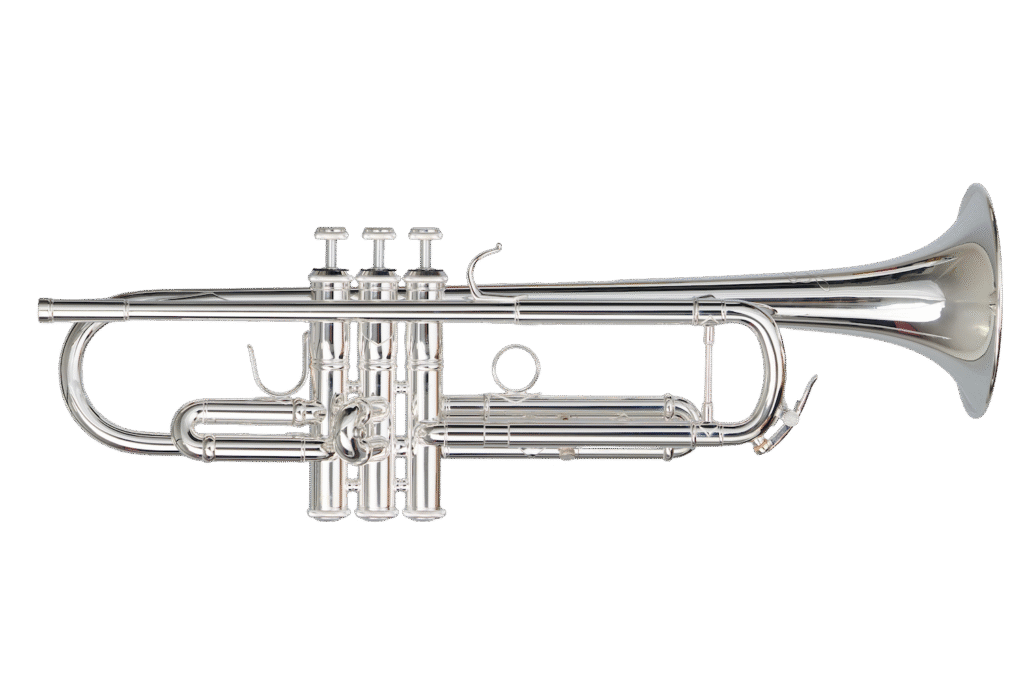
Developing High Notes and Upper Range on Trumpet
The enchanting sound of a soaring trumpet is an experience that captivates audiences. As a trumpet player, unlocking the upper registers becomes a priority to explore the full potential of your instrument. While increasing your trumpet range takes time and dedication, it is an achievable goal. In this essay, we will explore various techniques and strategies that can help you extend your trumpet range. To truly excel in the upper registers of the trumpet, you need to establish a solid foundation of technique. Focus on important aspects like how you shape your lips (embouchure), control your breath, and place your tongue. Consider seeking guidance from a qualified trumpet teacher for feedback and advice. Your embouchure, for instance, is essential for creating a good seal on the mouthpiece. Breath control, using your diaphragm, ensures a steady airflow for higher notes. Tongue placement affects how quickly and accurately you articulate. By working diligently on these techniques, you can improve your range and tone production. Expanding your trumpet range requires patience and a step-by-step approach. Don’t rush to play high notes, as it can lead to frustration and potential harm. Instead, take it gradually by practicing in a structured manner. Start with intervals within your comfortable range and then slowly venture into higher registers. Incorporate exercises like lip slurs, scales, and arpeggios into your daily practice routine. Breaking down the process into achievable steps and progressing steadily will help you expand your upper registers over time. Long tones play a fundamental role in expanding your trumpet range. Focusing on sustaining notes in the upper register for longer periods helps develop strength, endurance, and control. Regularly practicing long tones allows you to gradually extend your upper range while maintaining a consistent and resonant tone quality. You can also experiment with variations like getting gradually louder (crescendos) or softer (diminuendos) to improve your control and dynamic range. Exploring different dynamics and articulations further enhances flexibility and expands your range with control. Expanding your trumpet range requires not only technical skills but also physical endurance. Incorporating specific endurance exercises into your practice routine is crucial. Engage in long, sustained playing sessions to build the necessary muscles for playing in the upper register. However, be cautious not to strain yourself as this may result in fatigue and injury. Gradually increase the duration of your practice sessions over time. You can also challenge yourself by incorporating high-register passages from musical pieces into your practice routine. Working with a metronome and gradually increasing the tempo will help improve your speed and endurance. Mastering intervals is vital for expanding your trumpet range. Practice ascending and descending intervals, with a focus on those in the upper register. This enhances finger dexterity, accuracy, and overall range. Start with scalar patterns and gradually move to more challenging random intervals to develop adaptability. Intervallic studies not only expand your technical capabilities but also train your ear to recognize and navigate pitch relationships in the upper registers. By including intervallic exercises in your daily practice routine, you can steadily push the boundaries of your range and expand your abilities. To further expand your trumpet range, explore extended techniques like double and triple tonguing, flutter tonguing, and lip trills. Double tonguing involves alternating between two different syllables, allowing for faster articulation and facilitating higher registers. Triple tonguing adds another syllable, enabling even greater speed and clarity. Flutter tonguing introduces a rolling tongue motion, creating an airy and ethereal sound. Lip trills help develop flexibility and agility with pitch changes, enabling smoother transitions between registers. However, take these techniques gradually, ensuring proper execution to avoid strain or injury. Consider consulting a teacher or mentor for guidance on their proper implementation. A fun trick to implore when working on high rage is what I call an alternate fingering tremolo. When reaching the highest note in your trumpet range, utilize an alternate fingering for that specific note in addition to the regular fingering. This allows for a smoother transition between the two. The technique entails creating a controlled minimal disturbance in the airflow by employing the piston ports, acting like a subtle speed bump. This disruption helps sustain the highest note by relying on embouchure strength without creating significant interruptions in airflow. Performing a full articulation with the tongue can often result in significant air disturbance. This is because the tongue blocks the airway for a relatively long period, leading to difficulties in sustaining the note. However, by using a alternative fingering, a slight disturbance is created, giving the embouchure an extended period to practice and build endurance using this tremolo-like technique with alternate fingerings. In summary, introducing an alternate fingering technique and utilizing small disruptions in the airflow through valve manipulation provide effective strategies to sustain high notes in a controlled manner. These techniques enhance embouchure strength and endurance, ensuring confidence and control when playing in the upper register. Once the finger tremors become smooth and produce a sound that feels effortless, I move on to using my tongue for full articulation. I apply this technique to the highest note in each scale, gradually building strength and endurance for each small step up in my range. Expanding your trumpet range is a journey that requires patience, dedication, and disciplined practice. By focusing on proper technique, gradual expansion, long tones, endurance building, intervallic studies, and exploring extended techniques, you can unlock the upper registers of your instrument. Remember, progress may be gradual, but with committed effort, you will be rewarded with an extended trumpet range. Embrace the challenges as you embark on this musical adventure and delight in the joy of reaching new heights on the evocative trumpet.