

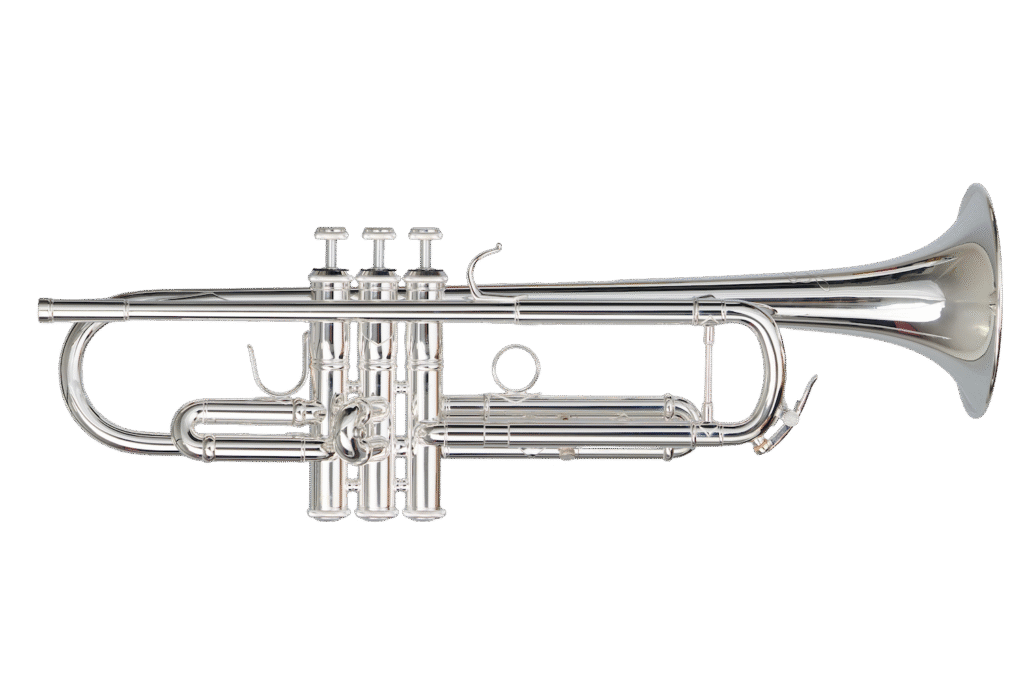
Developing Trumpet Tone and a Personal Musical Sound
When one thinks of a specific musical instrument, such as the trumpet, it brings to mind remarkable sound characteristics: noble, confident, fast, loud, agile, soloistic, hauntingly quiet, and melodious. The trumpet possesses the rare ability to be an equal voice, whether featured as a soloist or blended within a section. Notably, when you hear a renowned trumpeter play, you can readily hear their unique musical fingerprint in the sound. Their tone quality, vibrato, phrasing, articulations, power, and technique all contribute to the distinctive DNA of their unmistakable sound. “The Sound,” as it is commonly referred to, is infused with vibrato, color, intonation, breath control and support, and confidence. These ingredients allow the player to connect not just on a sonic level, but on a deeper emotional level, resonating with the listeners. Vibrato, a controlled subtle wavering in pitch, adds character and depth to the naturally clear and beautiful sound of brass instruments. It is a powerful tool for a brass player to utilize in storytelling by infusing energy, longing, and passion into musical passages. As an ensemble member, it is essential to adjust vibrato to match that of the ensemble, whereas, as a soloist, the interpretation of vibrato is open to personal taste and stylistic demands. Experimentation, imitation, and the emergence of the player’s own voice all play a role in developing and finding their natural vibrato. The color of sound can be likened to the use of visual colors in painting. Brass musicians paint sonic imagery through techniques such as dynamics, articulations, accents, speed of vibrato, choice of instrument, and more. The options for experimentation in creating sonic color are vast, as each piece or musical need requires its distinct color. Intonation, the ability to play with accuracy in pitch, is crucial for determining the trajectory and success of a brass player. Good intonation develops over time with consistent practice, including working with a tuner and engaging in choral exercises. Intonation is one of the first traits an audience member hears and judges, and it exemplifies the maturity of a musician. Both individual and ensemble intonation are crucial, with flexibility within the section being paramount to success Breath control and support form the foundation for creating “The Sound” as a brass musician. Airstream and support directly influence the sound and character of the tone produced. Breathing affects accuracy, sound quality, centeredness, depth, dynamics, and articulation. Managing the breath allows for clear articulation, effortless register transitions, and endurance during performances. Proper breath management is key, akin to managing gasoline in an F1 car race – pushing limits when necessary and finding balance in various situations. Confidence is a fundamental aspect of a brass player’s growth and directly influences the characteristics and projection of their sound. It permeates the emotion and meaning behind the music, allowing the player to give a fully committed performance. Confidence is especially crucial in playing the heroic and noble parts typically assigned to brass instruments. It enables wholehearted dedication to playing notes and phrases, and when present, it effortlessly translates into sound projection. Confidence brings out the best in a musician, allowing them to tell their musical story with conviction, captivating audiences and rising above the norm. A confident performer convinces listeners that their story is real and leaves a lasting impact. Experience serves as a wonderful training tool for gaining confidence, if not the best one. It necessitates persistence in effort as well as a willingness to embrace and face challenges head on. Similar to climbing a ladder, each rung represents a step towards reaching your ultimate goal. This type of progression demands gaining experience progressively, one rung at a time. A high level of confidence, when combined with the elements of vibrato, color, intonation, breath control and support, contributes to the development of “The Sound” as a brass musician. It allows for a personalized musical fingerprint and a deep connection with both the music and the listeners. Vibrato, color, and intonation add character, depth, and sonic imagery to the sound. Breath control and support form the foundation for accuracy, roundness, and depth. Together, these elements, supported by confidence, result in “The Sound” having an opportunity to been heard and established.