

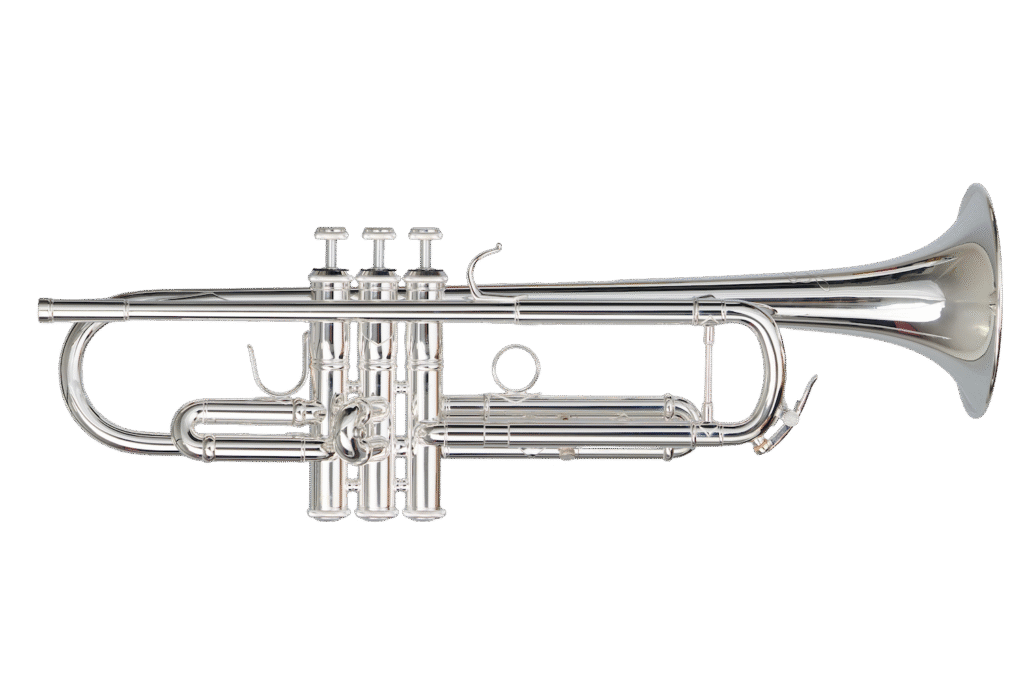
How to Sell Used Brass Instruments and Upgrade a School Band Inventory
As a working school band director or orchestra conductor, it is not uncommon to find yourself with a collection of used but good quality brass instruments that you wish to sell in order to upgrade your inventory. However, before proceeding with the sale, it is important to evaluate certain factors and execute a well-planned strategy. Highlighted here are some key points that you might want to consider when moving forward with the sale of your used brass instruments. Assessing the condition and value of the instruments in your inventory is always a good starting point. Take your time and thoroughly inspect each instrument. If need be, call in a professional to help you with this process. Begin the evaluation process by carefully examining each brass instrument. Take the time to inspect them for any damages, dents, scratches, cleanliness, or typical signs of wear and tear. Pay attention to the overall condition both externally and internally. Evaluate the playability and functionality of each instrument, ensuring that all valves, slides, and connections are in proper working order. Taking your time through this thorough inspection will provide you with a comprehensive understanding of the current condition of each instrument in your inventory. After this, your next step will be to determine a fair market value for each instrument based on their individual upkeep and quality. Researching the fair market value of used brass instruments is an integral step in setting a realistic selling price. By conducting market research, you will gather essential information about the current prices and demand for similar instruments. Consider various factors such as the brand reputation, age of the instrument, previous usage, and overall popularity within the music community. Taking into account these factors will enable you to establish a competitive selling price that will attract potential buyers while ensuring you receive a fair return on your investment. Developing a sales strategy is important and must be evaluated properly. In order to successfully sell your used brass instruments, it is crucial to identify potential buyers who are interested in purchasing them. Start by reaching out to local schools, music stores, private instructors, and community organizations that may have a need for such instruments. Create informative brochures or flyers, emphasizing the value and quality of the instruments that you are selling. Additionally, take advantage of the power of the internet by utilizing online platforms and social media channels to expand your reach and connect with potential buyers. To attract potential buyers, it is essential to market the instruments effectively. Begin by creating detailed listings that include high-resolution photographs showcasing the instruments from multiple angles. Accurately describe each instrument’s unique features, condition, and any additional accessories that are included in the sale. It is important to provide potential buyers with as much information as possible to help them make an informed decision as well as feel comfortable with their future purchase. A valuable and important strategy to increase the likelihood of a successful sale is to offer potential buyers a trial period or demo. By allowing them to test-play the instruments with their students, you are providing an opportunity for them to experience the sound quality, playability, and overall satisfaction that the instruments can offer. This hands-on involvement can build trust and confidence with a potential buyer, resulting in a higher chance of a successful sale. Be sure to remind the potential buyer that once the instruments are in the hands of their students, the director is responsible for all costs associated with any potential accidents. While the potential sale is important, you must protect your investment and make sure both parties agree to the trial terms. When engaging with potential buyers, it is crucial to be prepared to negotiate fairly while also establishing a minimum acceptable price for each instrument. Engage in open and transparent discussions, considering both parties’ interests. Offering a fair price while being willing to negotiate can help facilitate the sales process. Moreover, consider bundle deals or discounts for buyers interested in purchasing multiple instruments from you. This technique can be an effective strategy to help create larger sales potential. As you proceed through the sales process, it is important to maintain thorough and accurate records of each sale. This includes recording buyer information, instrument details, sale price, any warranties or guarantees provided, and the dates of the transactions. This documentation ensures transparency and provides protection for both you and the buyer in case of any disputes that may arise in the future. Once you have successfully negotiated a sale, it is important to establish a secure method for receiving payments. Consider utilizing reputable online payment methods as well as bank transfers arranged and overseen by ensemble booster (treasury or president) members and/or your local board of education. For the delivery of instruments, package them carefully to ensure they are adequately protected during transport and delivery. Depending on the buyer’s location, you may need to arrange for shipping or organize a local pickup. Take care to select a reputable shipping provider or coordinate with the buyer to ensure the safe arrival of the instruments. Photos should be taken of the instruments prior to shipping, as well as upon arrival and unpacking. After the sale of your used brass instruments, it is a perfect opportunity to reinvest in upgrading your inventory. Take the time to thoroughly research the latest models, consult with trusted instrument specialists, and consider the specific needs and preferences of your band or orchestra. Factors such as manufacturing quality, sound quality, intonation, playability, and durability should guide you through your decision-making process. You should consider prioritizing instruments that are in need of the most significant upgrades, ensuring that your investment maximizes the musical experience for your students. In certain as well as many instances, budget constraints may limit your ability to invest in new brass instruments. In such cases, it may be worthwhile to consider exploring various financing/fundraising options available to you and your students. Consider applying for grants specifically designed to support music