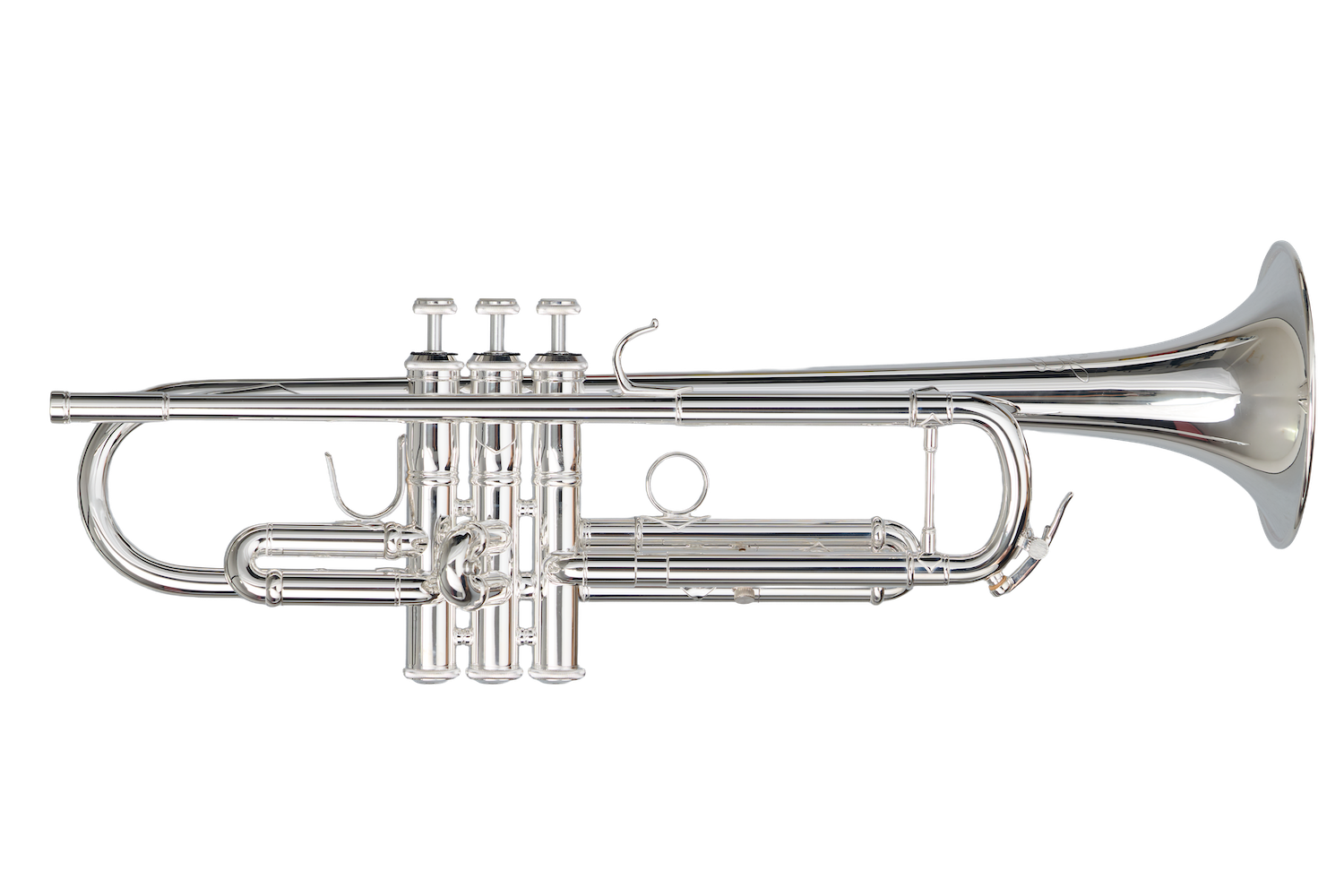

Trumpet Practice Through Ear Training and Muscle Memory
The journey of learning to play the trumpet involves discipline, dedication, and the integration of mental and physical skills. As musicians progress, the focus shifts from merely pressing the right valves to mastering pitch matching. This critical aspect of practice involves trusting muscle memory and mental sharpness with fingerings while aligning the instrument’s pitch with the pitch imagined in the mind.
The Foundation: Muscle Memory and Finger Placement
In learning any instrument, repetitions aim to commit movements to muscle memory. For trumpet players, this means mastering valve combinations necessary for scales, arpeggios, and music pieces. Hours of practice are invested in making correct valve presses second nature, freeing the musician to focus on sound production and musicality. Muscle memory is crucial as it reduces mental effort, allowing attention to shift to performance details like pitch matching. Through consistent practice, movements become second nature, helping the musician achieve proficiency in executing fingerings without conscious effort.
Mental Acuity: Knowing the Score and the Notes
Alongside muscle memory, mental acuity in familiarizing with the score and understanding notes is vital. For trumpeters, this means understanding the music, knowing which notes follow others, and internalizing dynamics and phrasing. This mental mapping complements physical playing, allowing musicians to predict musical passages and their demands. Advanced players have neural pathways that link visual music cues to finger movements and auditory expectations, leading to fluid and expressive playing. They possess the mental acuity to anticipate what happens next, synchronizing thought with action in a smooth musical flow.
The Challenge: Matching Pitch to Mental Imagery
Once basics are established, the focus shifts to pitch matching, using ear training to ensure the pitch played matches the imagined pitch. This task involves training the ear to produce desired pitches, reflecting more advanced musicality in trumpet playing. Pitch matching is developed through listening and correction, akin to singers imagining a note before vocalizing. Trumpeters must similarly internalize the sound before producing it on the instrument, enhanced through exercises like interval training and direct trumpet practice.
Techniques for Effective Pitch Practice
Mastering pitch matching involves several techniques, often using technology like tuners for feedback:
- Singing and Playing: Sing the pitch before playing to internalize it.
- Matching with a Tuner: Use a digital tuner to visually ensure pitch accuracy
- Listening and Imitating: Imitate recordings of professional players to sharpen your ear.
- Interval Training: Practice intervals and scales both vocally and on the trumpet for accurate pitch perception.
Trusting the Process
For seasoned musicians, the process becomes one of trust in muscle memory and mental maps of music, minimizing conscious interference. It’s about allowing automatic processes to guide playing, with the mind and fingers in harmony.
Overcoming Psychological Barriers
Mastering pitch matching also involves overcoming psychological challenges, such as fear of playing out of tune. Building confidence and accepting mistakes as growth opportunities are essential in this journey.
The Role of Feedback
Constructive feedback is crucial, offering insights into pitch accuracy and highlighting areas needing focus. Feedback identifies patterns of errors, like persistent sharp or flat notes, for targeted improvement.
The Holistic Approach: Integration and Performance
Effective practice integrates muscle memory, mental sharpness, and pitch matching. In performance, musicians draw on their practiced skills, coordinating all elements to produce not just correct notes, but music infused with emotion and expression.
The Harmony of Mind and Muscle
Mastering the trumpet involves uniting the mind’s ear with physical execution, trusting in muscle memory, and focusing on pitch perfection. This blend lets the trumpeter go beyond mechanics, creating music that emotionally resonates with audiences.
True trumpet artistry is this balance, a testament to the hours invested in mastering both mind and body to create harmony. As players progress, achieving and maintaining this balance becomes both a goal and a rewarding journey, enhancing musical experience and personal growth.