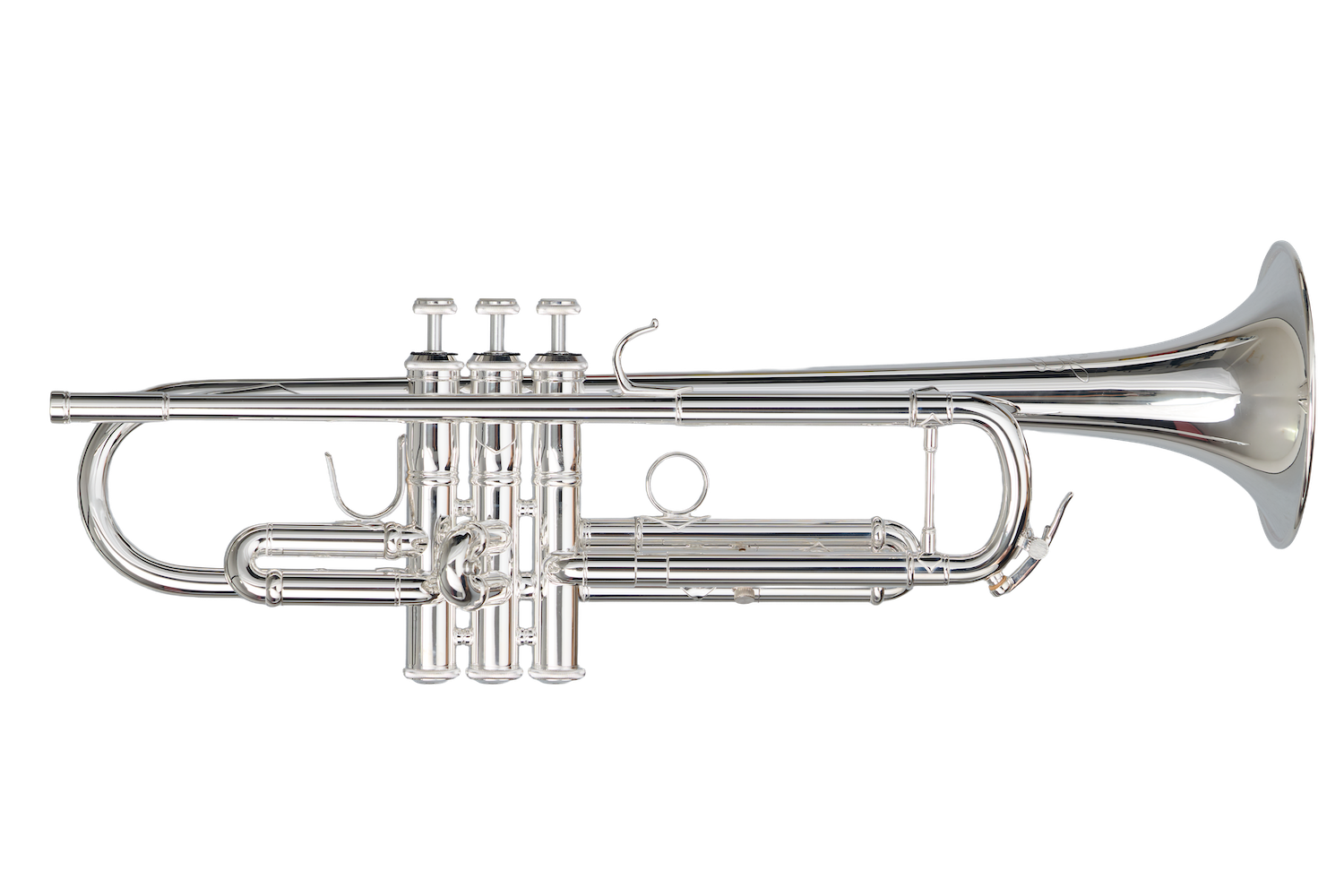

Encouraging Female Trumpet Players in School Band Programs
Music education is essential for nurturing creativity, discipline, and teamwork in students. Despite these benefits, there remains a noticeable gender disparity in certain instrument sections, particularly the trumpet. Historically, fewer females participate in trumpet playing compared to males.
To recruit more female trumpeters, it’s crucial to establish an inclusive environment where students feel comfortable and confident. This begins by challenging stereotypes that label specific instruments as gender-specific. Teachers should promote the trumpet as an instrument for everyone. By showcasing successful female trumpeters and highlighting music by female composers, teachers can provide role models and demonstrate the variety of musical careers possible through the trumpet.
Introducing the trumpet to students at an early age can ignite a lifelong passion for the instrument. Music programs could offer opportunities for all students to experiment with various instruments before making a decision. Early exposure to music helps break down preconceived notions about gender-appropriate instruments and allows children to choose based on personal interest rather than societal expectations.
Mentorship programs can play a significant part in retaining female students in band programs. Pairing female trumpeters with experienced female mentors can provide support and encouragement throughout their musical journey. Mentors can offer advice, share experiences, and provide a network of support that helps maintain motivation and enthusiasm for practice. Programs can also invite successful female musicians to conduct workshops or performances, further inspiring all students.
Ensuring that female students have equal opportunities in band programs is vital. This includes access to quality instruments, instruction, and performance opportunities. School music programs should regularly assess their ensembles to identify and address any gender-based disparities. Encouraging female students to take on leadership roles within the band can also reinforce a sense of confidence and belonging.
Parental support is crucial in sustaining a student’s interest in music. Teachers can engage parents by organizing open houses, performances, or informational sessions to demonstrate the benefits of music education. Creating a community that recognizes and celebrates the achievements of both female and male musicians fosters a positive environment for students. Regular communication with parents can also help sustain ongoing support at home.
Many students, regardless of gender, struggle with confidence and self-expression. Music educators can implement strategies to boost confidence among female trumpeters. This includes providing plenty of performance opportunities, encouraging improvisation and jazz, and offering constructive feedback. Recognizing progress and celebrating successes can significantly enhance a student’s self esteem over their time in the program.
Choosing diverse and inclusive repertoire is another way to engage female students. Music educators should aim to include compositions by female composers and pieces that celebrate diversity. By providing a varied literature curriculum, teachers can expose students to a wide array of musical styles and cultures, making music education more relatable and appealing to every member of the ensemble.
Encouraging collaboration and camaraderie among band members can strengthen the community and create a supportive environment for all students. Organizing group activities, team building exercises, and social events can help build friendships and a sense of belonging within the band. A strong, inclusive community motivates students to stay committed and active within the program.
As students progress through their education, it’s important to provide opportunities for advancement and long-term engagement. This can include solo competitions, diverse ensemble performances, and leadership roles. Programs can promote these opportunities to female students, ensuring they are aware and encouraged to pursue them. Establishing paths for continued personal growth can sustain interest and motivation from middle through high school.
Increasing the recruitment and retention of female trumpeters in school band programs requires a multifaceted approach. By creating an inclusive environment, providing early exposure, implementing mentorship, ensuring equal opportunities, engaging parents, building confidence, selecting diverse repertoire, and fostering community, music educators can effectively support and encourage female students. These strategies not only benefit female trumpeters but also enhance the overall diversity and inclusivity of music education, enriching the experience for all students. Encouraging more female participation in school band trumpet sections can pave the way for a more balanced and representative musical future for everyone.