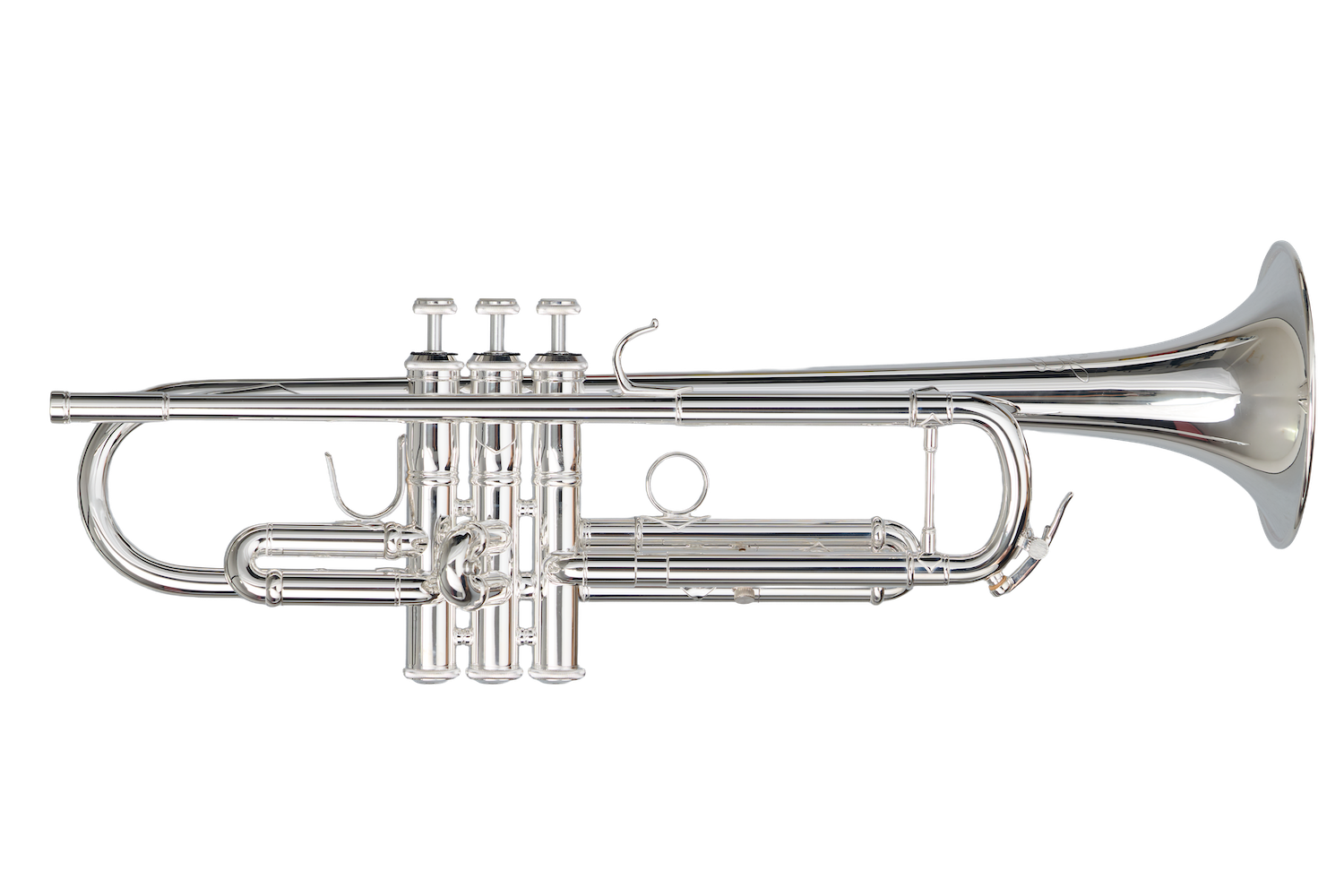
The rotary trumpet is a distinctive instrument, known for its rich and warm sound, making it perfect for classical, orchestral music, and even some jazz styles. For musicians looking to master the rotary trumpet, understanding its features, such as Vienna keys and a specially designed mouthpiece, is essential. This guide explores how Vienna keys work, the differences between rotary and piston trumpets, and the importance of using a mouthpiece crafted for rotary trumpets.
Rotary trumpets use rotary valves, rather than piston valves, to change the tubing length and produce various pitches. This valve design offers smoother and more fluid transitions between notes, ideal for lyrical passages and intricate melodies. Predominantly used in classical music, particularly in orchestras and chamber ensembles, the rotary trumpet is also gaining popularity in jazz for its warm, smoky sound when combined with the right mouthpiece.
When compared to piston trumpets, rotary trumpets showcase several differences in design and sound:
1. Valves: Operated by levers, rotary valves provide smoother transitions between notes compared to the up-and-down motion of piston valves.
2. Tubing Configuration: Rotary trumpets feature a more compact and conical design, offering a warmer and mellower sound that blends well in classical and orchestral settings.
3. Bell Design: Often larger with a more pronounced flare, the bell shape enhances sound projection and contributes to a rich overtone series.
4. Lead Pipe: It connects directly into the valve casing, improving sound and response across all registers.
5. Valve Action: Rotary valves support efficient movement, perfect for rapid passages and complex fingerings.
6. Sound Quality: The rotary trumpet is noted for its warm and mellow sound compared to the brighter piston trumpet, excelling in lyrical pieces.
7. Intonation and Tuning: Its design enhances pitch accuracy, making it more forgiving in play.
Vienna keys on a rotary trumpet provide additional intonation control and alternate fingerings:
1. Bb Vienna Key: Serves as the main tuning slide water key, influencing notes like F5, Bb5, D6, and F6.
2. A Vienna Key: Impacts notes such as E5, A5, C#6, and E6.
3. C Vienna Key: Assists with notes like Eb5, A5, C5, and Eb6.
Using a mouthpiece designed for rotary trumpets is crucial for optimal sound and intonation:
1. Fit: Modern designs ensure a snug fit in the receiver, minimizing air leakage and maximizing sound quality.
2. Response and Articulation: Crafted for enhanced clarity and precision during dynamic changes and fast passages.
3. Intonation Accuracy: Designed to maintain consistent pitch control across challenges.
Choosing a suitable mouthpiece enhances both sound quality and playing experience, unlocking the full potential of the rotary trumpet. Mastering the Vienna keys and using an appropriate mouthpiece allows musicians to elevate their performance and creatively explore the instrument’s capabilities.
Embrace the challenge of mastering the rotary trumpet, explore its subtle nuances, and let the music guide your journey.